Beh, et al. v. Community Care Companions Inc., et al.,

No. 19-cv-01417 (JLS) (MJR) (W.D.N.Y. 2025) (denying defendants’ motion for summary judgment, motion to decertify the class, and motion to decertify the collective action, thereby entitling home health care workers to proceed to trial in wage and hour lawsuit)

Zapoteco v. Rapi Inc.

No. 20-cv-6335 (LDH) (JRC) (E.D.N.Y. 2021) (approving settlement of $700,000 on behalf of restaurant workers in collective action lawsuit for violations of state and federal wage and hour laws)

Perez v. City of New York

In Perez v. City of New York, Gladstein, Reif & Meginniss successfully convinced the United States Court of Appeals for the Second Circuit to overturn a judgment dismissing overtime compensation claims and then, after defeating a renewed summary judgment motion, won a settlement for more than $1.7 million (plus attorneys’ fees) for NYC Parks Department employees. The case, which GR&M litigated over the course of five years, was initially dismissed by a district court. GR&M prosecuted an appeal from that dismissal to the Second Circuit, which overturned the lower courts’ ruling in its entirety. On remand before a new judge, GR&M persuaded the district court to deny the City’s remaining arguments for summary judgment. In its ruling, the district court rejected the City’s assertions that the Union had acquiesced to the City’s decision not to pay plaintiffs for time spent donning and doffing their uniforms, that the City’s conduct was not willful, and that the City was not liable for overtime about which it knew but which the employee did not report. At that point, rather than go to trial, the City settled.

Perez v. City of New York No. 15-315 (2d Cir. 2016)

Zheng v. Liberty Apparel Co

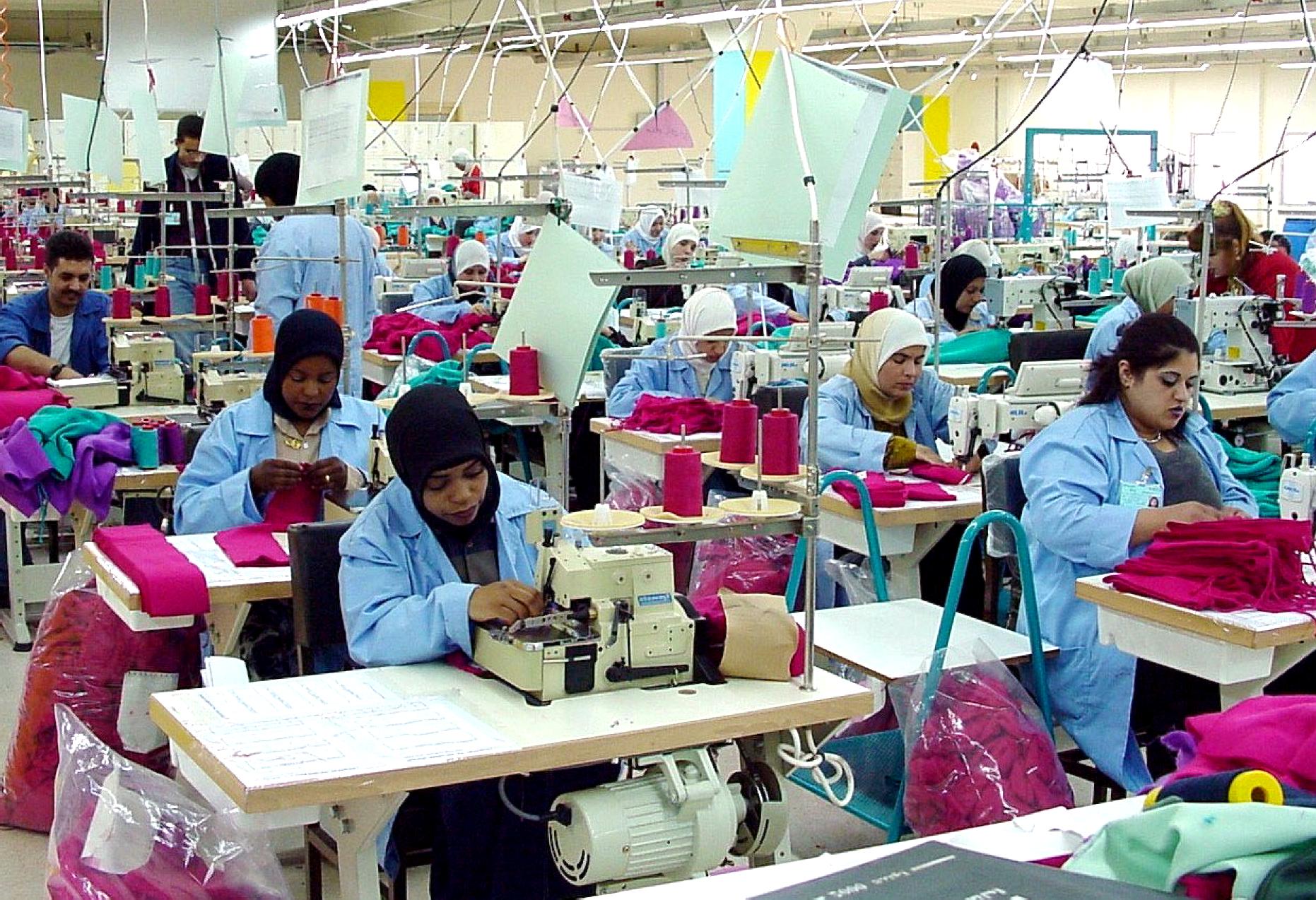
After the Second Circuit Court of Appeals reinstated the plaintiffs’ claim, the District Court denied defendants’ summary judgment motion seeking dismissal of those claims without a trial. The Court held that garment worker plaintiffs had proffered sufficient evidence that the defendants exercised operational control over the plaintiffs such that they were entitled to a trial of their claims against the manufacturers. After a jury trial, plaintiffs prevailed against both the manufacturing company and the individual defendants, the Second Circuit substantially affirmed, and the Supreme Court denied the defendants’ petition for review. See Zheng v. Liberty Apparel Co., 617 F.3d 182 (2d Cir. 2010) and 389 Fed. App’x 63 (2d Cir. 2010), cert. denied, 131 S. Ct. 2879 (2011).

Zheng v. Liberty Apparel Co., 556 F. Supp. 2d 284 (S.D.N.Y. 2008)

Zheng v. Liberty Apparel Co

The Second Circuit Court of Appeals held that an entity can be a joint employer under the federal and New York minimum wage and overtime compensation laws even without formal control over hiring and firing, schedules, payment, and records. An “economic reality” determination required review of all of the circumstances including indications of functional control. The garment worker plaintiffs’ wage-and-hour claims were therefore reinstated.

Zheng v. Liberty Apparel Co., 355 F.2d 61 (2d Cir. 2003)

Ayres v. 127 Rest. Corp. d/b/a Le Madri Rest.

The Court granted plaintiffs partial summary judgment finding that the defendant restaurant illegally withheld tips from waitstaff plaintiffs and that said retention was willful.  As such, the restaurant was not entitled to take a tip credit against the wages of the waitstaff, who were entitled to double damages.  The Court found that the general manager of the restaurant was an agent of the employer and had retained $20,000 in tips belonging to the waitstaff.

Ayres v. 127 Rest. Corp. d/b/a Le Madri Rest., 12 F. Supp. 2d 305 (S.D.N.Y. 1998)